

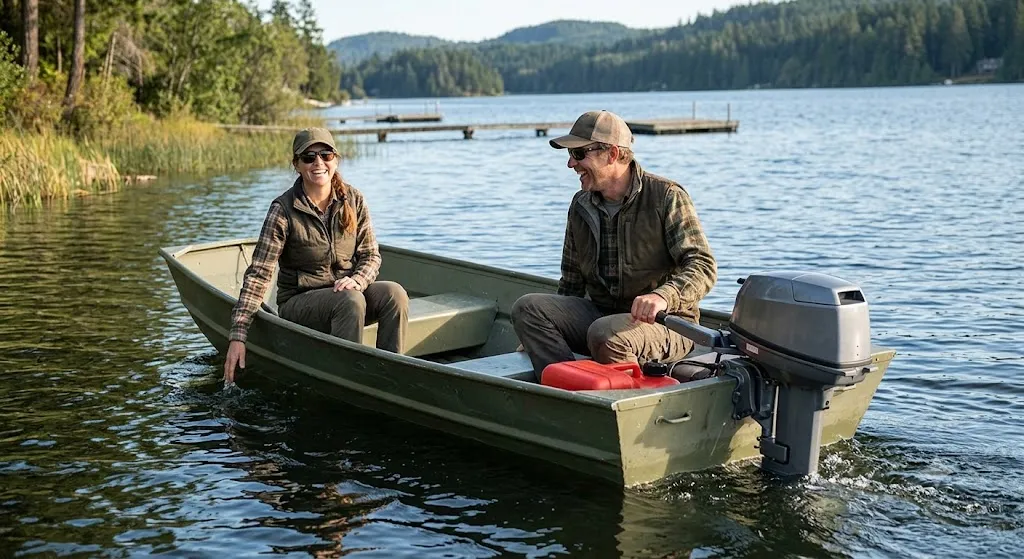
Not every boating adventure needs a huge hull and a roaring engine. Dinghies, jon boats, and small skiffs offer simple, affordable fun on ponds, rivers, and sheltered coastlines. If you are exploring outboard motors for sale for a compact vessel, the right lightweight motor can make these tiny boats feel remarkably capable.
Why Small Engines Deserve Respect
A modest engine on a small boat can deliver a lot of joy. Lightweight, easy handling, and low running costs make compact power a favorite among anglers, hunters, and casual paddlers who want a gentle upgrade. That simplicity is part of the appeal. Even lightweight engines deserve a careful read of the specifications.
They are also easy to carry, store, and service. Many can be lifted by one person, which means you can skip the heavy crane and just enjoy a quick trip on any spare afternoon.
Matching Power to Hull Size
Small boats have strict limits on engine weight and output because their transoms and hulls are not built for heavy loads. Always check the capacity plate before shopping, and respect the number printed there. Light does not mean careless, so check each detail.
A motor that is slightly below the maximum usually performs well and protects your boat. Overpowering a tiny hull makes it unstable, difficult to steer, and a hazard for anyone aboard. If you ever feel uncertain, choose the smaller option.
Portability and Handling Tips
Look at the weight of any motor you consider, and lift it before you buy if you can. Carrying a fifty-pound engine from car to water is very different from reading the number on paper. Weight at the transom affects the whole balance of a tiny boat.
Built-in carry handles, integrated fuel tanks, and simple tilt mechanisms make daily use smoother. Features like these may seem minor on a shelf but become priceless when you are alone at a muddy shoreline. A smart design saves your back and your temper.
Tiller Steering and Control
Most small engines use tiller steering, where you twist the handle to adjust speed and move it side to side to turn. It feels natural quickly and offers excellent control at low speeds. A steady hand and relaxed grip keep the ride gentle.
Practice in calm water first. Learn how the boat reacts when you shift your weight, since small hulls respond dramatically to even slight movements. Smooth, deliberate motions keep everyone comfortable and balanced.
Shallow Water Advantages
Compact boats thrive in places larger vessels cannot reach: creeks, backwaters, marshes, and quiet coves. A short-shaft motor with an easily tilted lower unit lets you travel through skinny water confidently. These areas also hide beautiful wildlife, so enjoy the quiet.
Always raise the engine slightly when approaching shallow areas, and watch for submerged logs and rocks. A little caution protects the propeller and keeps small adventures from turning into expensive repairs. Walking the shoreline before your first launch is also a wise precaution.
A Practical Starting Point
Many first-time owners look at a Mercury outboard in the lower horsepower range because these units are known for easy starting and dependable operation. Seeing a trusted model family helps you understand what features to expect.
Compare weight, fuel capacity, and shaft length across several choices. Even a few pounds or an inch of shaft can change how the boat feels, so take your time and verify measurements twice. Better to confirm now than to discover a mismatch at the water’s edge.
Fuel, Range, and Safe Loading
Small tanks limit range, so plan your trips with generous margins. A portable tank is easy to refill, but secure it properly so it cannot tip. Never overfill, and keep it out of direct sunlight. Rinse the motor, store it upright, and always keep the fuel fresh.
Respect your boat’s passenger and load limits. Spread weight evenly and sit low. Wearing a life jacket is a smart habit on any small craft, since cold water and sudden movements can surprise even confident swimmers.
Conclusion
Small engines need regular, basic care: fresh fuel, a clean propeller, a quick flush, and a dry storage spot. Spending ten minutes after each trip prevents most problems before they ever develop.
Enjoy the simplicity. A small boat and a light motor remind us why we love the water in the first place: quiet mornings, easy launches, and plenty of room to simply drift and enjoy.