

Your vehicle’s transmission is one of the most critical and complex systems under the hood. It’s responsible for transferring power from the engine to the wheels, allowing your car to shift smoothly, accelerate efficiently, and drive without issue.
But like any other moving system, it’s subject to wear over time, and when things start to go wrong, ignoring the signs can lead to serious (and expensive) damage.
The good news? Your transmission typically gives off warning signals long before it fails completely. By learning to recognize the early signs of transmission wear, you can avoid major repairs and keep your vehicle running at peak performance.
Here are the key symptoms every driver should watch out for.
1. Delayed Gear Engagement
If there’s a noticeable hesitation between shifting the gear selector and the vehicle responding, for example, when switching from “Park” to “Drive” or “Reverse,” this is one of the earliest and most common signs of transmission wear.
This delay can result from internal wear, clogged fluid passages, or low transmission fluid. If left unresolved, it can worsen over time and lead to full gear failure.
Don’t ignore it: A delay of even a couple of seconds may indicate internal pressure loss or valve body wear.
2. Rough or Jerky Shifting
Your car’s transmission is designed to shift smoothly between gears. If you feel the car lurch, hesitate, or jolt during a gear change — especially under light acceleration — it’s likely a sign of worn clutches, valve body issues, or dirty transmission fluid.
Rough shifting isn’t just uncomfortable; it increases strain on the transmission system and can lead to accelerated internal wear.
Tip: The earlier you address this, the more likely you can avoid a full transmission rebuild.
3. Unusual Noises During Shifting
Transmissions should operate quietly. If you hear grinding, whining, buzzing, or clunking when the transmission is shifting — particularly when accelerating or decelerating — it could signal:
- Worn gears
- Loose mounts
- Failing torque converter
- Fluid contamination
Whining during acceleration or humming in neutral can also indicate internal bearing wear or hydraulic pressure issues.
Pro tip: Always note when the sound occurs. Certain noises happen only in specific gears or speeds, which can help with diagnostics.
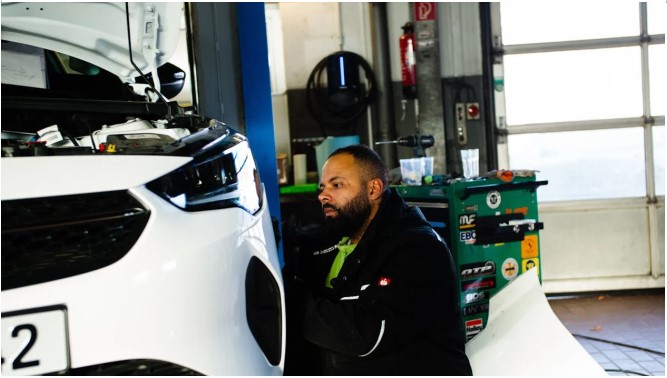
Link: https://www.pexels.com/photo/mechanic-inspecting-car-in-gladbeck-workshop-29965631/
Filename: transmission-inspection-auto-shop
Alt Text: Technician inspecting transmission components
Caption: Early diagnostics help catch small transmission issues before they become major repairs.
4. Transmission Fluid Leaks
Transmission fluid is vital for cooling, lubrication, and hydraulic pressure. If you spot reddish or brown fluid under your vehicle, it may indicate a leaky seal, gasket, or cooling line. Leaks are one of the most preventable causes of early transmission failure — and one of the most overlooked.
Low fluid levels cause internal components to run hot, wear faster, and eventually seize up.
What to look for: Fresh transmission fluid has a clear red tint; dark, burnt-smelling fluid signals advanced wear or overheating.
5. Burning Smell After Driving
A noticeable burning smell after short trips — particularly around the engine or transmission area — could mean your transmission is overheating. Often, this happens when:
- Fluid levels are too low
- Fluid is dirty or oxidised
- You’re stuck in traffic or towing in hot weather
Overheating drastically reduces the lifespan of transmission components, especially clutch packs and seals.
Fix it early: Have the fluid inspected and replaced if necessary, and check your vehicle’s cooling system for proper transmission cooling.
6. Slipping Gears
Gear slipping occurs when your transmission fails to stay in the selected gear or randomly shifts up or down without warning. You may notice a sudden change in engine RPM, a loss of power, or even a momentary pause in acceleration.
Slipping is a serious safety issue, especially at highway speeds. It may stem from worn bands, solenoid issues, or hydraulic pressure loss inside the transmission.
Warning: If your car slips in or out of gear while driving, get it inspected immediately.
7. Check Engine Light or Transmission Warning Light
Many modern vehicles have sensors that monitor transmission temperature, shift quality, and internal pressures. If there’s a fault, the ECU may trigger the check engine light or a specific transmission warning light.
Even if the vehicle seems to be driving normally, early internal faults can be detected through stored trouble codes. A professional diagnostic scan can identify problems before symptoms become severe.
8. Vibration at Certain Speeds
If your vehicle shudders or vibrates at specific speeds or during gear changes — especially under load — it may indicate torque converter wear, misfiring solenoids, or degraded clutch material.
Unlike wheel or tire vibrations, which are consistent across speed, transmission-related shuddering tends to come and go depending on gear position or throttle input.
Important: This symptom is often misdiagnosed as wheel imbalance, so make sure your technician inspects the transmission as part of the vibration diagnosis.
9. No Response at All
If your transmission is completely unresponsive — no movement in Drive or Reverse — the issue may be:
- Severely worn clutches
- Broken shifter linkage
- Failed transmission pump
- Complete internal failure
This symptom usually comes after several of the early warning signs listed above. If you reach this stage, you’re likely looking at a major repair or full replacement.
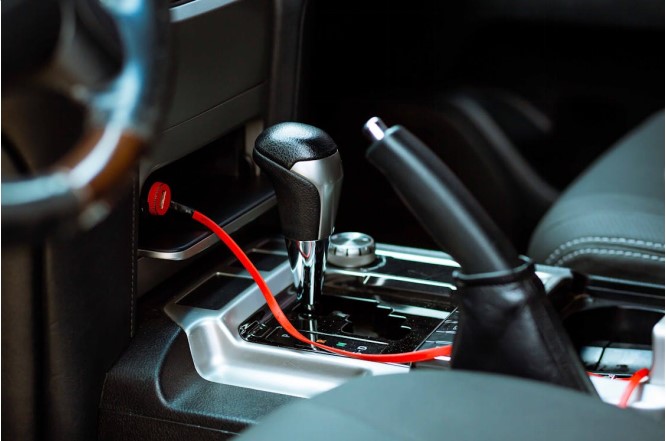
Link: https://www.pexels.com/photo/manual-gearbox-in-car-18029612/
Filename: -gear-shift
Alt Text: gear shifter inside a car
Caption: A delay when shifting into gear is one of the earliest transmission symptoms.
Protect Your Transmission: What You Can Do
✔ Schedule regular fluid changes — especially in high-heat areas like Florida
✔ Don’t delay diagnostics when symptoms arise
✔ Avoid towing or overloading your vehicle without proper cooling support
✔ Use manufacturer-recommended fluids for your specific transmission type
✔ Let your car warm up for a few seconds before shifting into gear
Get Ahead of Transmission Problems with Platinum Wrench Auto Repair
If your vehicle is showing any of these early warning signs — even just once — don’t wait for it to get worse. Early intervention could mean the difference between a simple fluid change and a full transmission replacement.
At Platinum Wrench Auto Repair, the technicians use advanced vehicle diagnostic tools to detect transmission issues early and accurately. Whether it’s a simple transmission flush, minor repair, or just peace of mind, we’re here to keep you shifting smoothly.
Call 727-544-4555 now to book your transmission diagnostics. Your transmission — and your wallet — will thank you.