

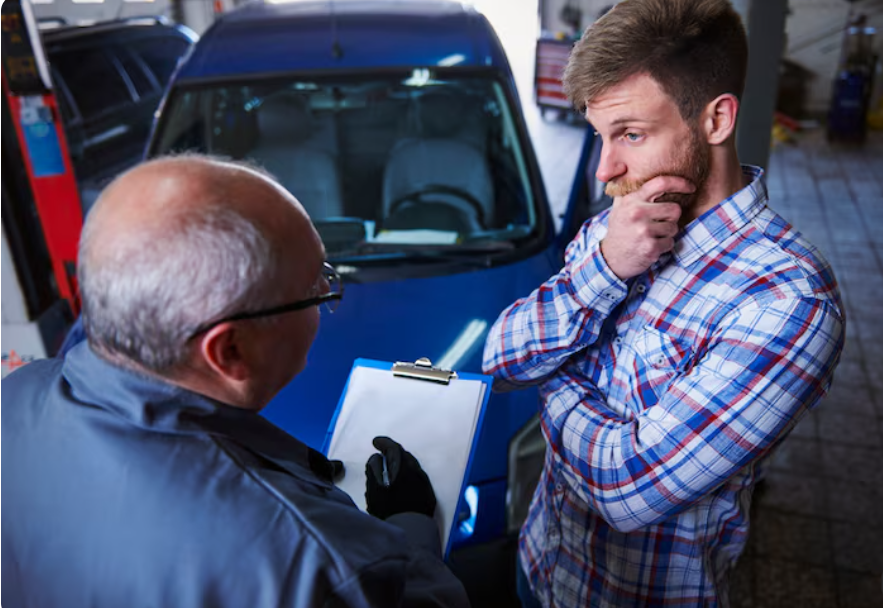
Most drivers think about a bumper only after it has been damaged. A low-speed scrape in a car park, a misjudged turn into a driveway post, or a nudge in slow traffic can leave a cover scuffed, cracked or misaligned, and suddenly a part that was easy to overlook becomes the focus of quotes, insurance calls and repair decisions. The choice that follows is rarely as simple as picking the cheapest panel that looks similar in a photograph.
A bumper cover is the visible skin of a larger system. Behind it sit brackets, absorbers, clips, wiring and, on many modern cars, sensors and cameras that support parking and driver assistance. Damage that looks cosmetic from the outside can therefore hide a bent bracket, a displaced sensor or a cracked clip that will cause rattles, uneven gaps or false warnings later. A careful assessment, before any part is ordered, saves time, money and frustration, and it helps the finished repair look and work as it should.
This guide explains how to assess bumper damage calmly, how to compare repair and replacement honestly, and what to check during and after fitting. It is written for owners who want a durable, safe result, not simply the quickest cosmetic fix.
Start With an Honest Assessment, Not a Photograph
Photographs are useful for an initial quote, but they rarely show the full extent of damage. A cover should be inspected in good light, from several angles, with attention to panel gaps, shut lines, the alignment of lights and grilles, and the condition of clips along the top and lower edges. Pressing the cover gently can reveal movement that suggests a broken fixing, while a check of parking sensors, cameras and warning lights can reveal electronic damage that is not visible at all.
Repair, Refinish or Replace: How to Compare the Options
Minor scuffs and shallow scratches to a painted or clear-coated surface can often be refinished without replacing the whole cover, provided the underlying structure is sound and the finish can be matched. Deeper cracks, splits, delamination or distorted mounting points are different. They usually require replacement, because a repair that looks acceptable on the day may flex, crack again or leave uneven gaps as the car is driven and washed.
Materials, Finish and the Details That Show Over Time
Bumper covers are made from a range of materials, each with different behaviour after impact. Flexible plastics can absorb a light knock and may be repairable by a specialist, while stiffer composite panels tend to hold a sharper shape and a more precise finish but can be less forgiving of a sharp blow. The choice should reflect how the car is used, how exposed the bumper is, and how important a particular woven or painted finish is to the owner.
Fitting, Sensors and the Final Checks That Matter Most
Fitting a replacement cover is a job that rewards patience. The old cover should be removed carefully, connectors labelled, and painted edges protected. The new cover should be test-fitted before final fixing, with panel gaps checked against wings, bonnet, lights and grilles, and with all clips and fixings confirmed secure. Forcing a cover into place to close a gap is a warning sign, because stress at the fixing points can lead to movement, noise or paint damage later.
After fitting, lights, indicators, fog lamps, parking sensors, cameras and washer jets, where fitted, should be tested in daylight and after dark. The number plate must be mounted securely and remain fully legible, and tow-eye covers and access panels should sit flush. A short drive, followed by a second inspection of gaps and fixings, can reveal vibration or movement that was not apparent in the workshop. When comparing options, a carbon fiber bumper should be judged on fit, sensor clearance, edge quality and repairability together, not on appearance alone, and professional fitting is advisable where sensors or safety systems are involved.
Insurance, Records and Living With the Result
Owners should inform their insurer about a replacement cover, keep invoices, photographs and fitting notes, and record the specification of the part fitted. That documentation helps with future servicing, resale and any later claim, because a buyer or insurer can see exactly what was changed and why. It also helps a future repairer, who will not have to guess at fixings, finish or sensor positions.
Day-to-day care is straightforward. Wash the cover gently, avoid harsh chemicals near edges, and inspect the lower lip after rough roads. Address a loose clip or small crack promptly, because water, dirt and vibration can turn a minor issue into a larger repair. With careful assessment, honest comparison and patient fitting, a replaced cover should look right, work reliably and fade back into the background, which is exactly what a good bumper should do.
Frequently Asked Questions
1. Can a cracked cover always be repaired?
No. Shallow cosmetic damage may be refinished, but cracks, splits, distorted mounting points or damage to the underlying structure usually call for replacement. A repairer should explain the reasoning, show the damage, and confirm whether the result will remain stable under normal driving and washing.
2. Will a replacement cover affect parking sensors or cameras?
It can, if a sensor is moved, covered or angled differently, or if a camera is not recalibrated after refitting. Sensors should sit flush and face the correct direction, and systems should be tested after fitting, including in reverse. If warnings persist, professional diagnosis is preferable to ignoring the system.
3. Should I keep the damaged cover after replacement?
Keeping it, where storage allows, is often useful. It preserves the factory specification, provides a reference for finish and fixings, and can serve as a temporary fallback. Store it flat, clean and protected from sunlight, with its clips and fixings kept together in a labelled bag.
Conclusion
A damaged bumper deserves a measured response. Assess the cover and the structure behind it, compare repair and replacement on a like-for-like basis, choose a material and finish that suit the car and its use, and insist on careful fitting and thorough final checks. When those steps are followed, the result should be a car that looks cared for, functions correctly and can be driven with confidence, without the repair drawing attention to itself every time the car is viewed.